How to Plan a Cultural Immersion Trip
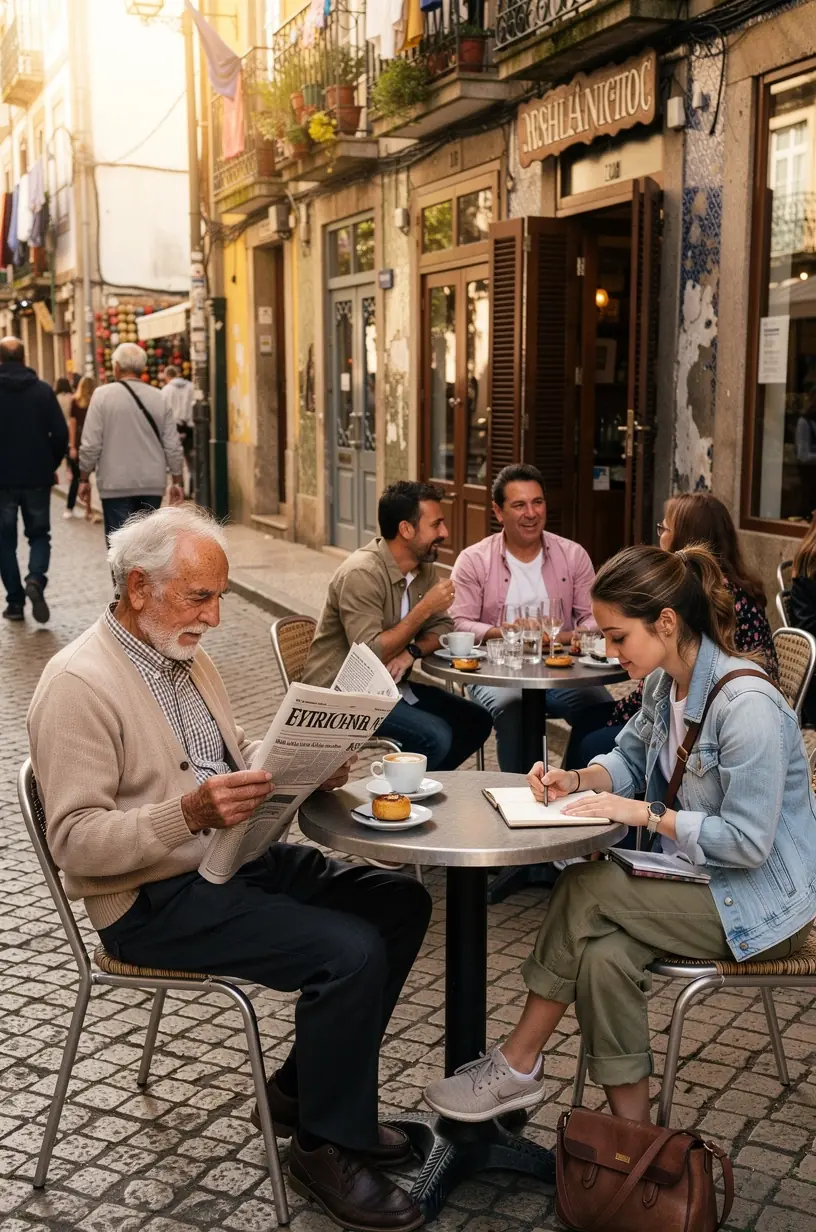
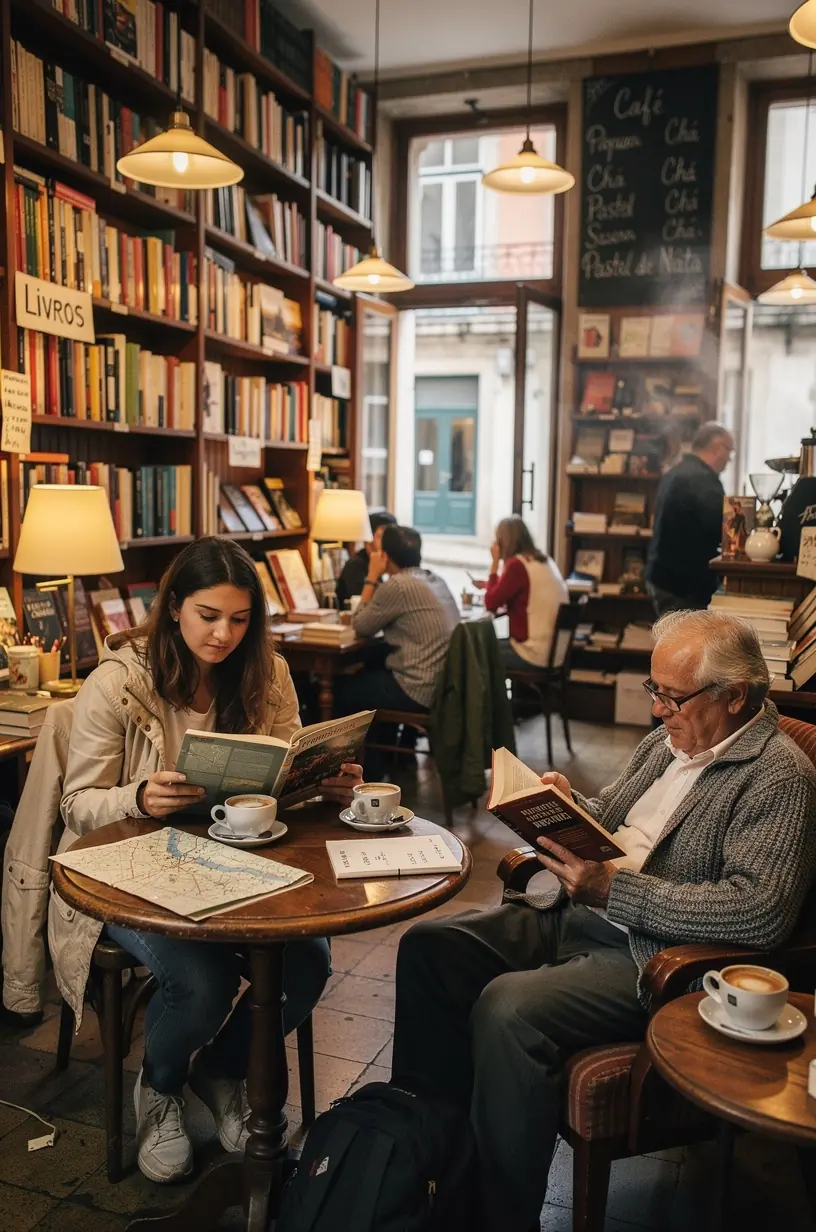
Cultural immersion trips offer an enriching experience that goes beyond typical tourism. By engaging deeply with local communities, travelers can gain a better understanding of their culture, traditions, and way of life. This guide provides practical steps to effectively plan a cultural immersion trip.
Understanding the Concept of Cultural Immersion
Cultural immersion involves fully engaging with a culture through various means, such as participating in local customs, learning the language, and experiencing daily life. According to travel experts, this approach can enhance your understanding of the destination and foster meaningful connections. Studies show that travelers who engage in cultural immersion often report greater satisfaction and memorable experiences.
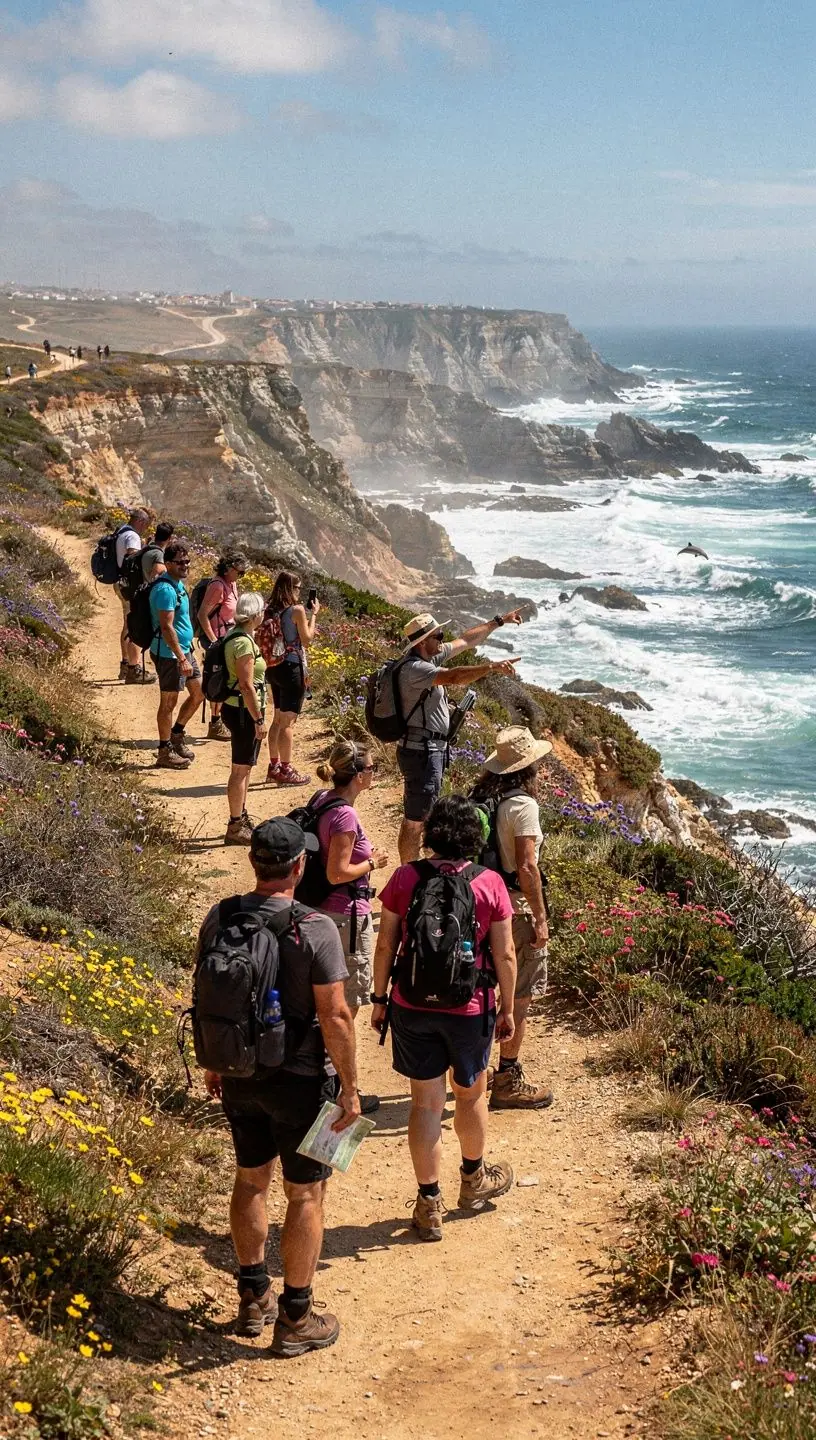
"Cultural immersion allows travelers to move beyond surface-level interactions and truly connect with a community."
Steps to Plan Your Cultural Immersion Trip
Planning a successful cultural immersion trip typically requires careful thought and preparation. Here are some essential steps to consider:
- Define Your Objectives: Begin by identifying what you hope to gain from the experience. Are you interested in learning a new language, understanding local cuisines, or participating in traditional festivals? Having clear objectives will guide your planning.
- Research Destinations: Look into regions known for their rich cultural experiences. For example, Portugal offers various opportunities for cultural immersion through its historic cities and local festivals. Many experts suggest focusing on lesser-known areas where you might experience a more authentic atmosphere.
- Engage Local Guides: Working with local guides can provide invaluable insights and ensure that you engage with the culture responsibly. They can help you navigate social norms and introduce you to local customs that you might otherwise miss. Research indicates that guided experiences can enhance your understanding and enjoyment of a destination.
- Plan Activities: Incorporate activities that promote interaction with locals, such as cooking classes, artisan workshops, or community events. Many travelers find that participating in volunteer opportunities can also deepen their connection with the community.
- Prepare for Language Barriers: Understanding basic phrases in the local language can significantly enhance your experience. While many travelers report that locals appreciate the effort, it’s important to acknowledge that fluency is not necessary to enjoy your trip.
Challenges to Consider
While cultural immersion can be rewarding, it is essential to acknowledge the challenges that may arise. Engaging deeply with a culture often requires a greater time commitment and can involve a steep learning curve. Travelers should be prepared for unexpected situations and cultural differences that may arise.
Conclusion
By following these steps, you can plan a cultural immersion trip that is enriching and memorable. Remember to set realistic expectations regarding the time and effort involved. Engaging with a culture requires patience and openness but can lead to profound personal growth and understanding. Ultimately, a well-planned cultural immersion trip promises to offer experiences that resonate long after your journey ends.